
Welcome to the Drama Department
Every week, students in Year 7 will have a single period of Music, Dance and Drama during which they will engage in a range of practical work intended to give them the skills required for further successful study in Key Stage 4. In Year 8 students will continue to have a single period of Drama and Music each week. Our afterschool Dance clubs help students to develop their Dance skills even when they no longer have Dance as part of their weekly timetable.
The Performing Arts at Harrow Way have seen an upsurge in activities over the last few years with a wide range of exciting innovations: workshops with industry professionals, regular performances and the introduction of two new qualifications: GCSEs in Drama and Music. These complement the vocational qualification we offer in Dance – the BTEC Tech Award in Performing Arts.
Curriculum Content
Key Stage 3
Year 7
We start the year with the assumption that students, while they may have engaged in drama at their Primary schools, will not have had any formal training in dramatic skills or techniques. This first year aims to give students a firm grasp of stagecraft and acting technique. We also aim to grow the students’ confidence through regular performance opportunities; their creativity through a variety of challenges/projects; and their self-awareness, through regular evaluation and personalised target setting.
Projects include:
Year 8
Having explored the basics of theatre in Year 7, in Year 8 we further develop the skills that students will need in KS4: character research/creation, textual analysis and scripted technique. We aim to give students the ability to make character choices based on the script, overcome the challenge of line learning and understand what goes into a full scale performance (both on-stage and back-stage).
Projects:
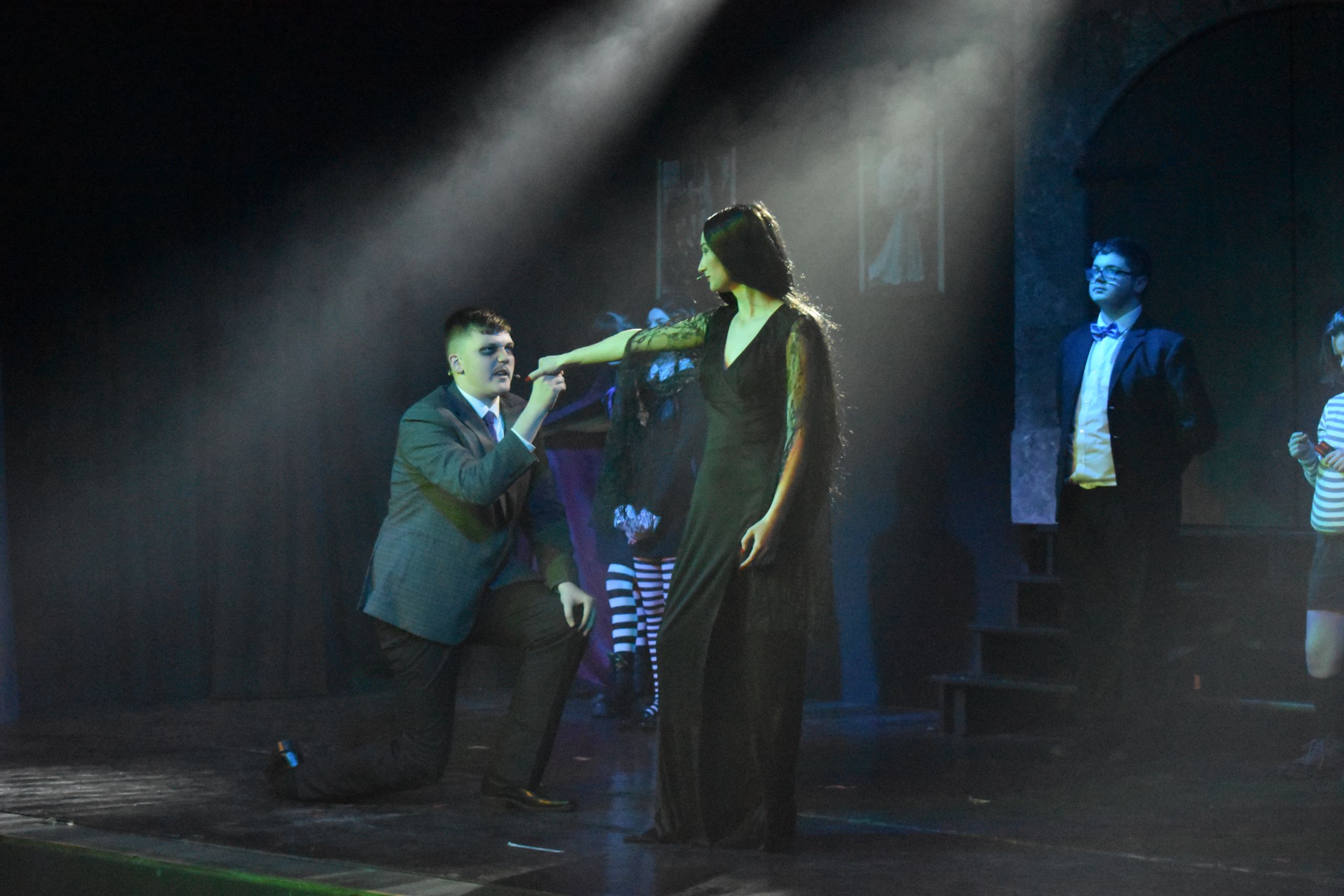
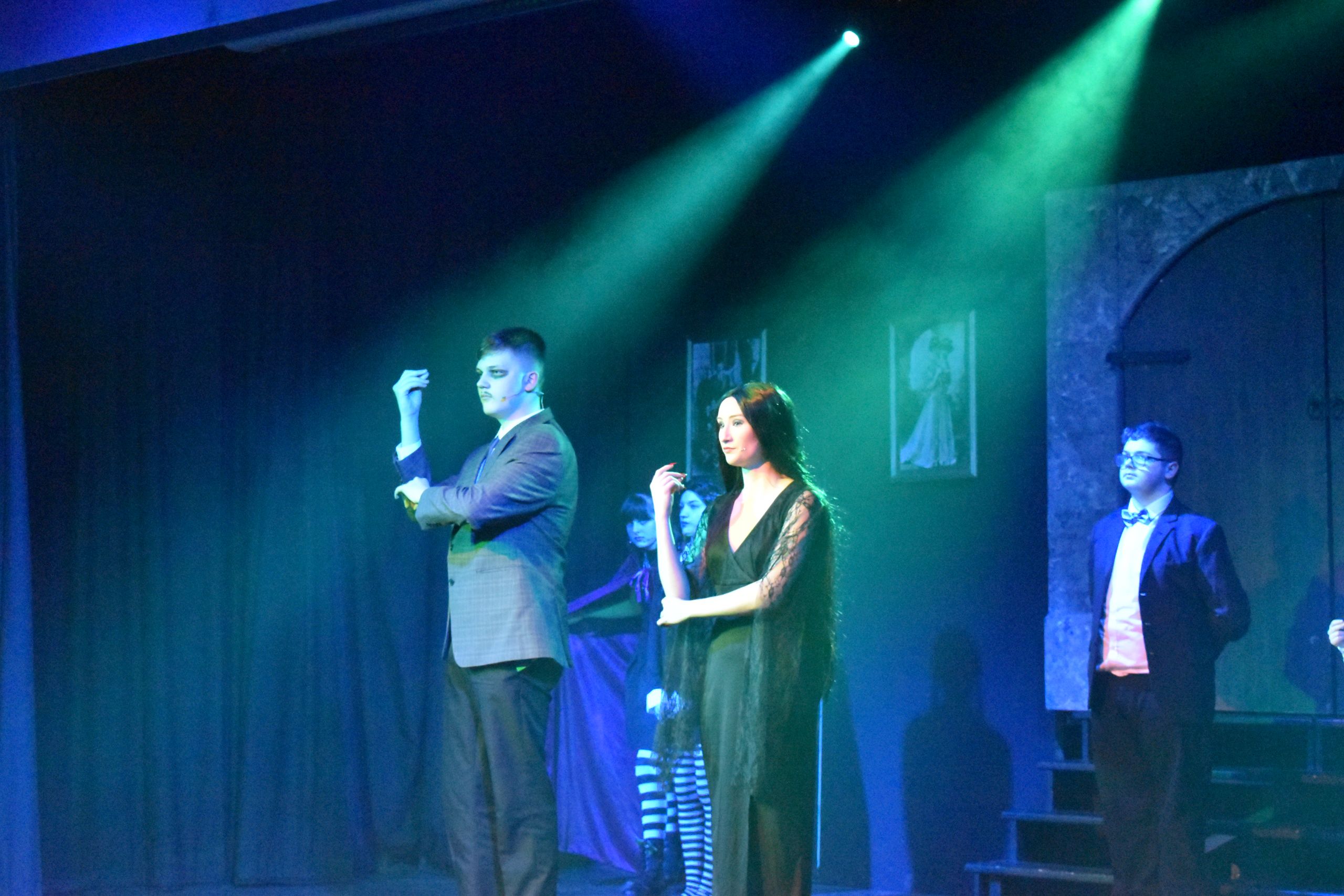
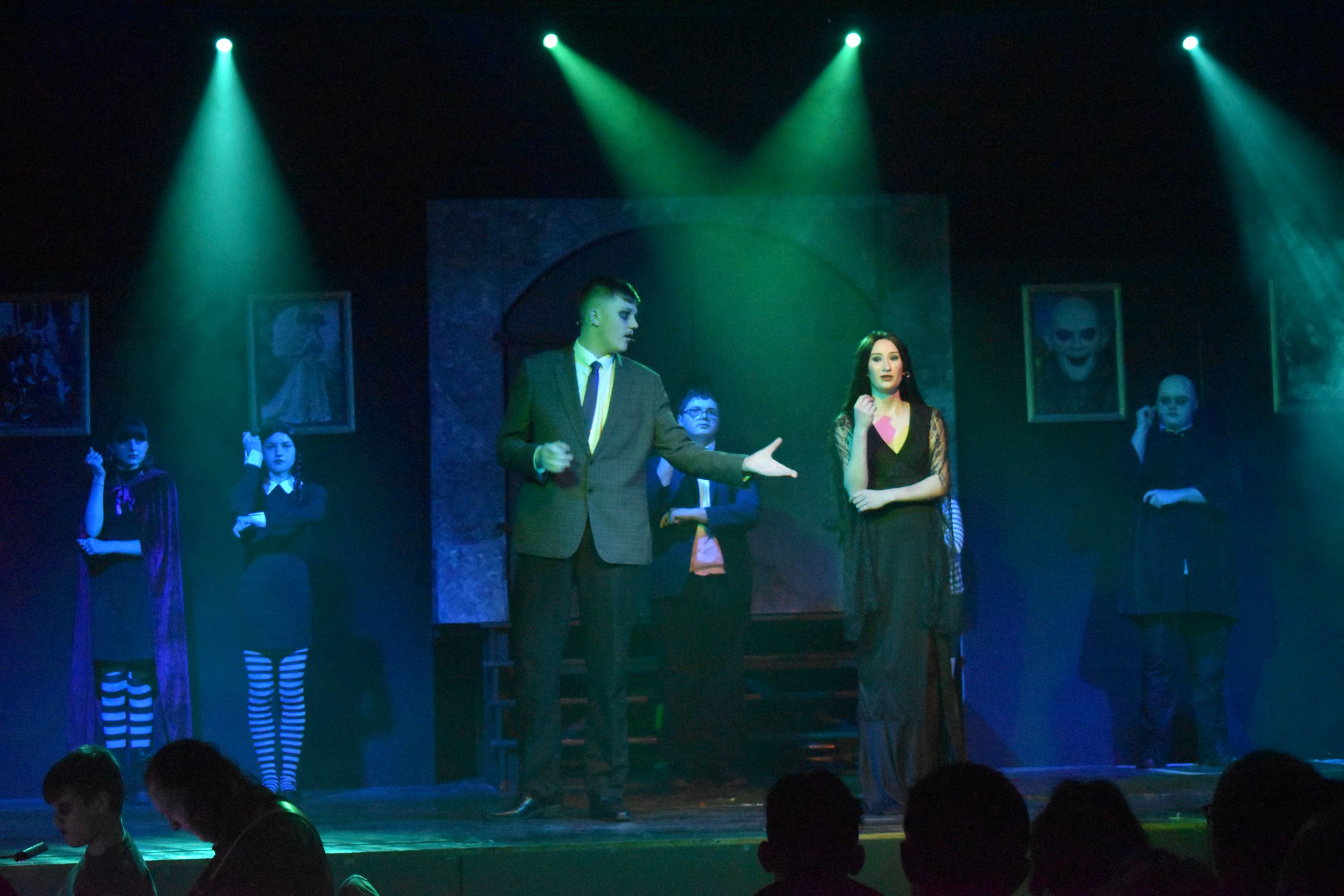
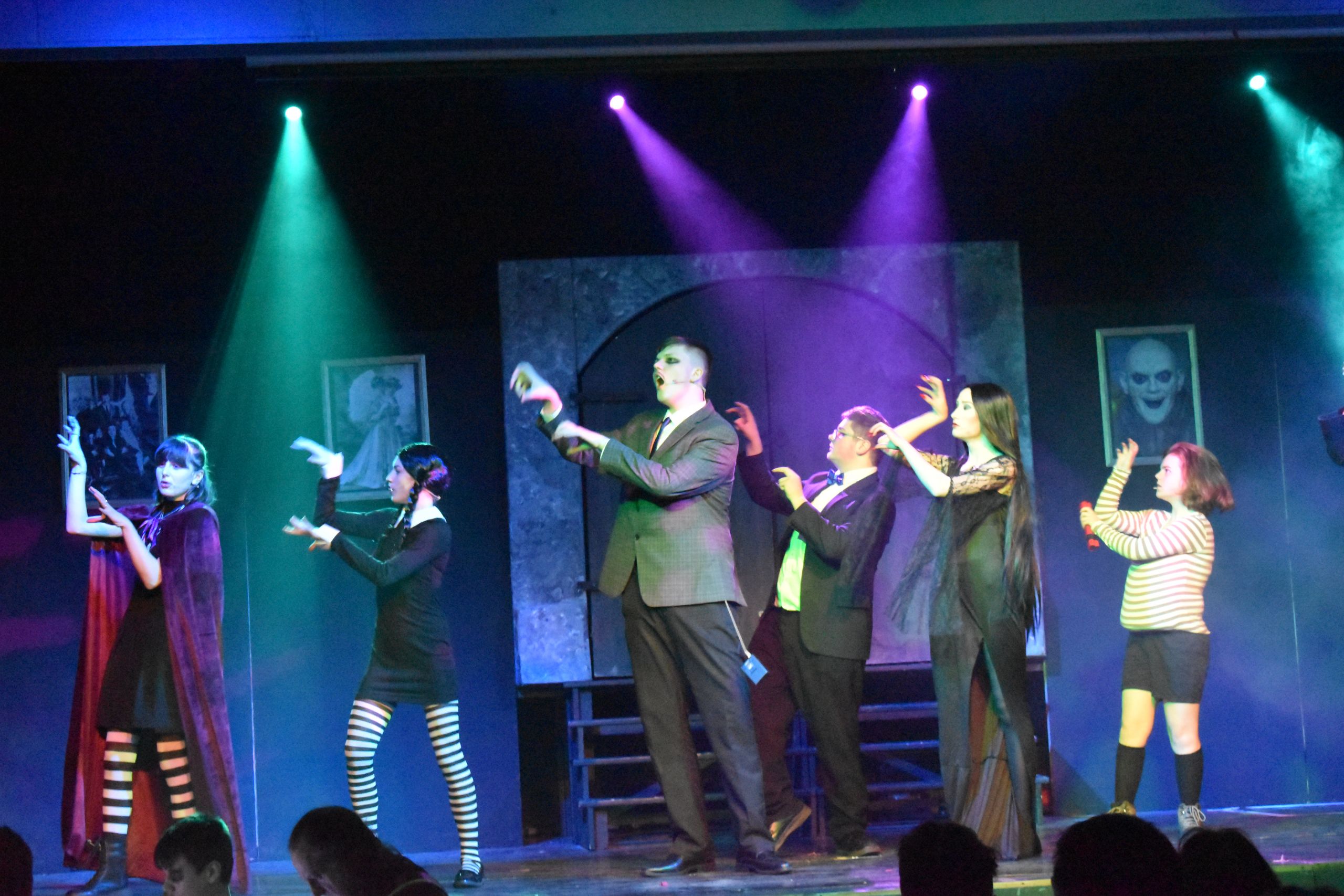
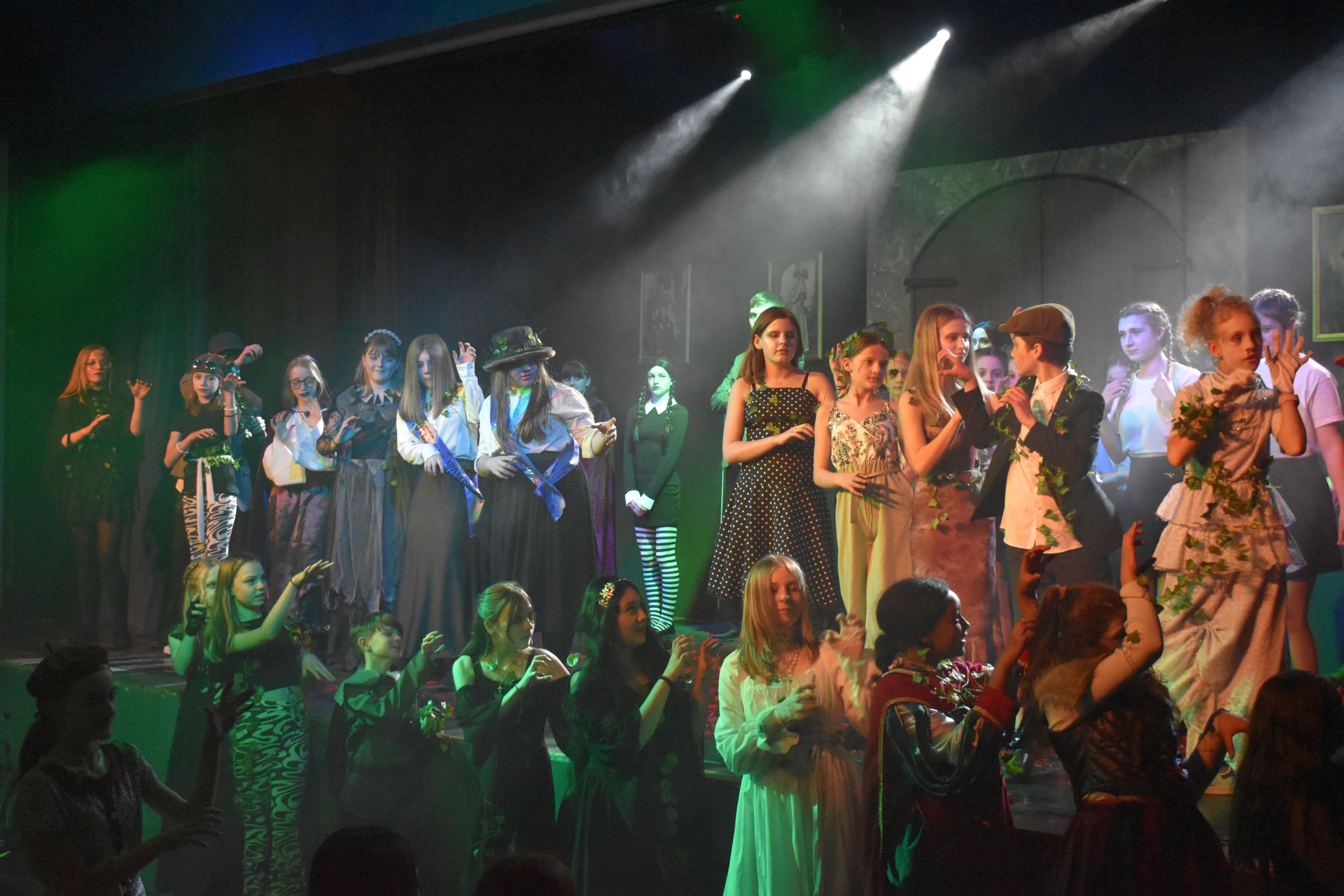
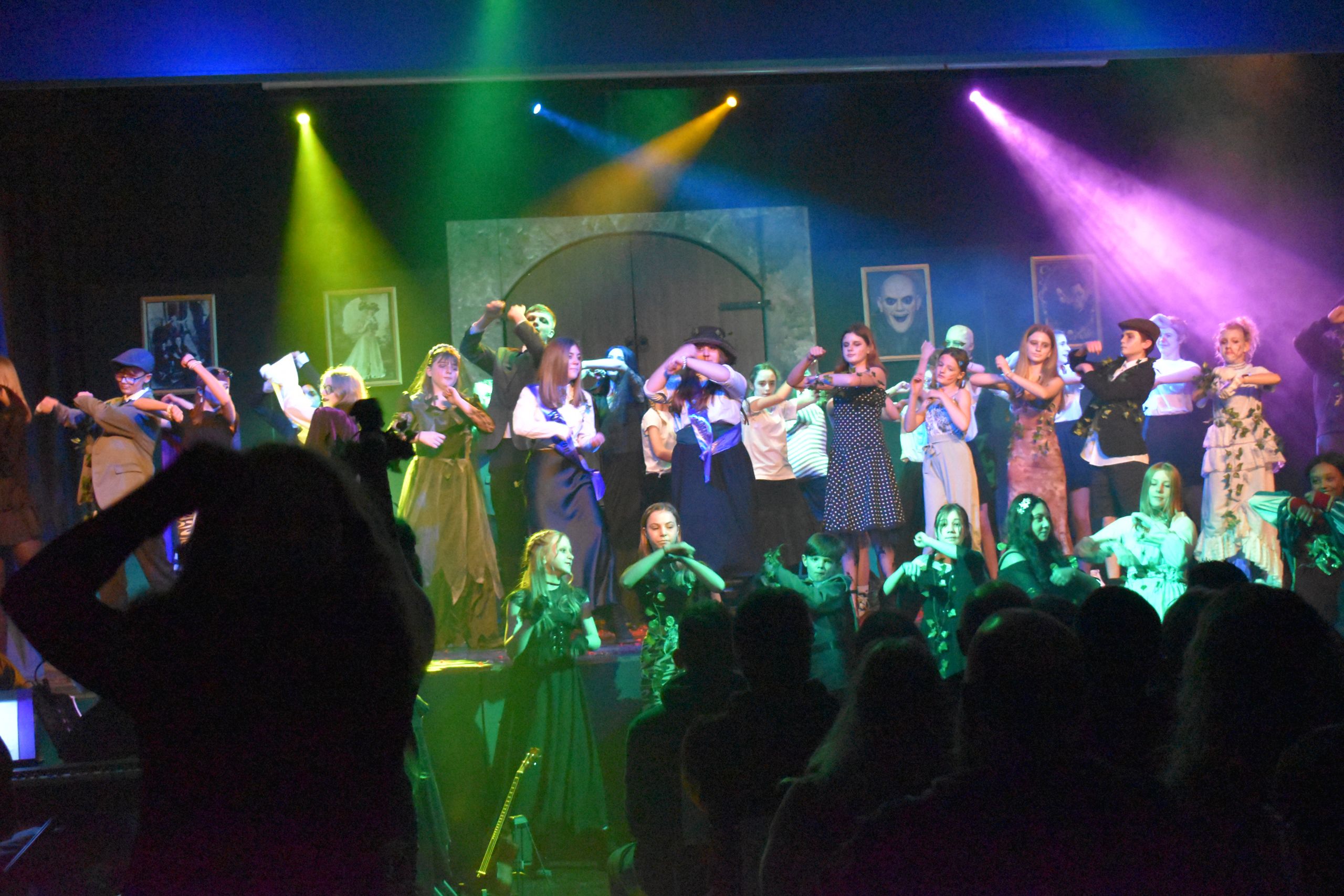
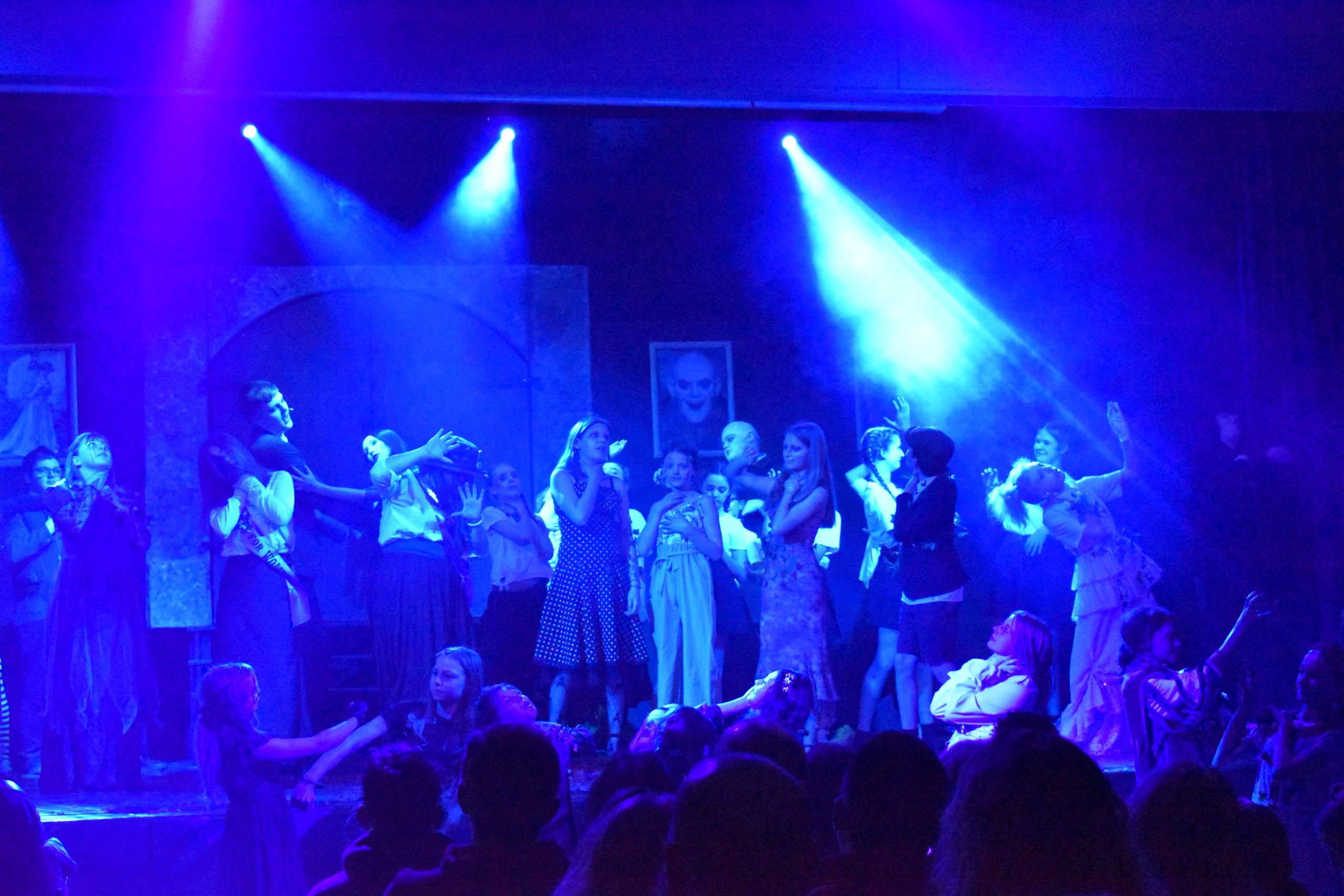
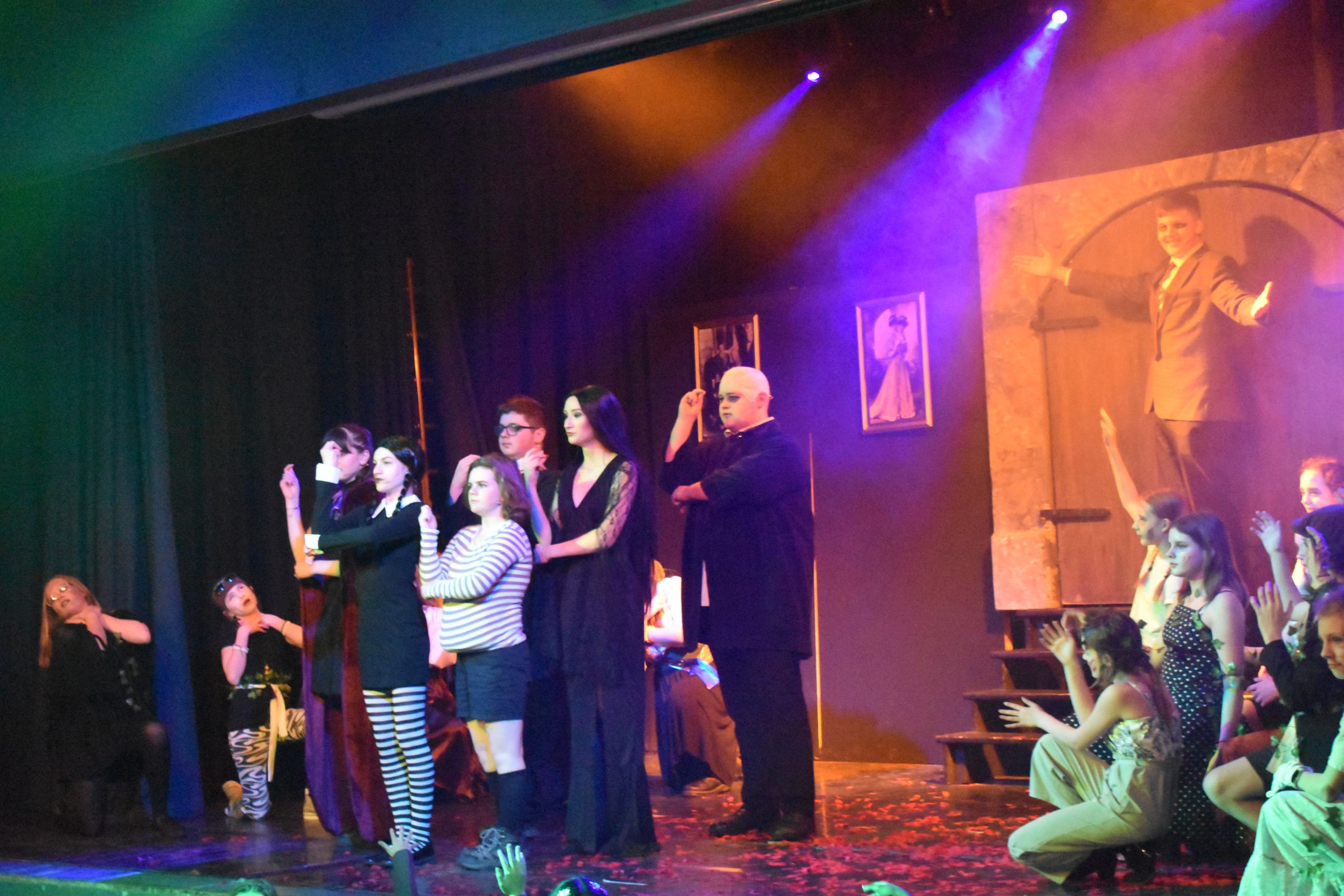
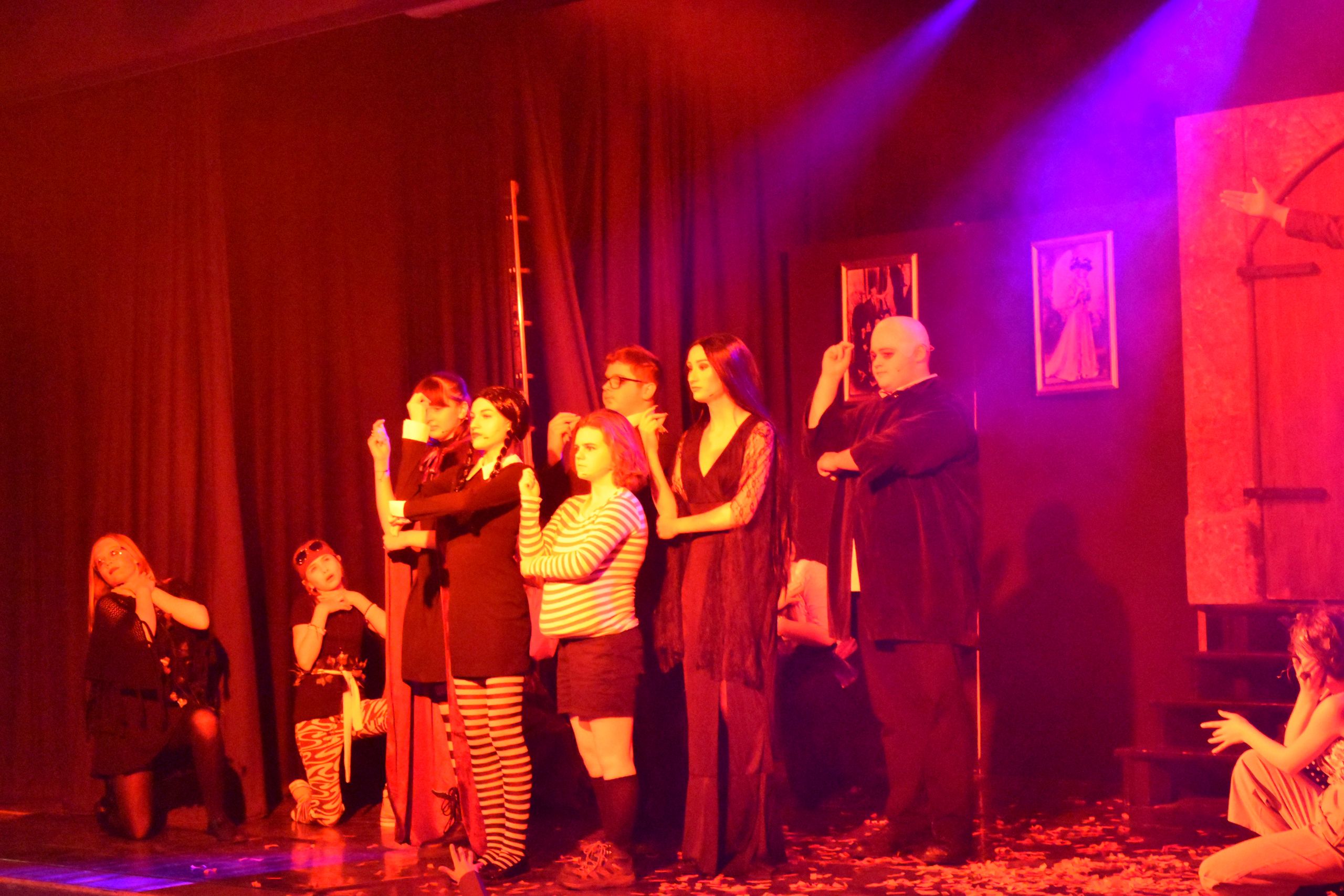
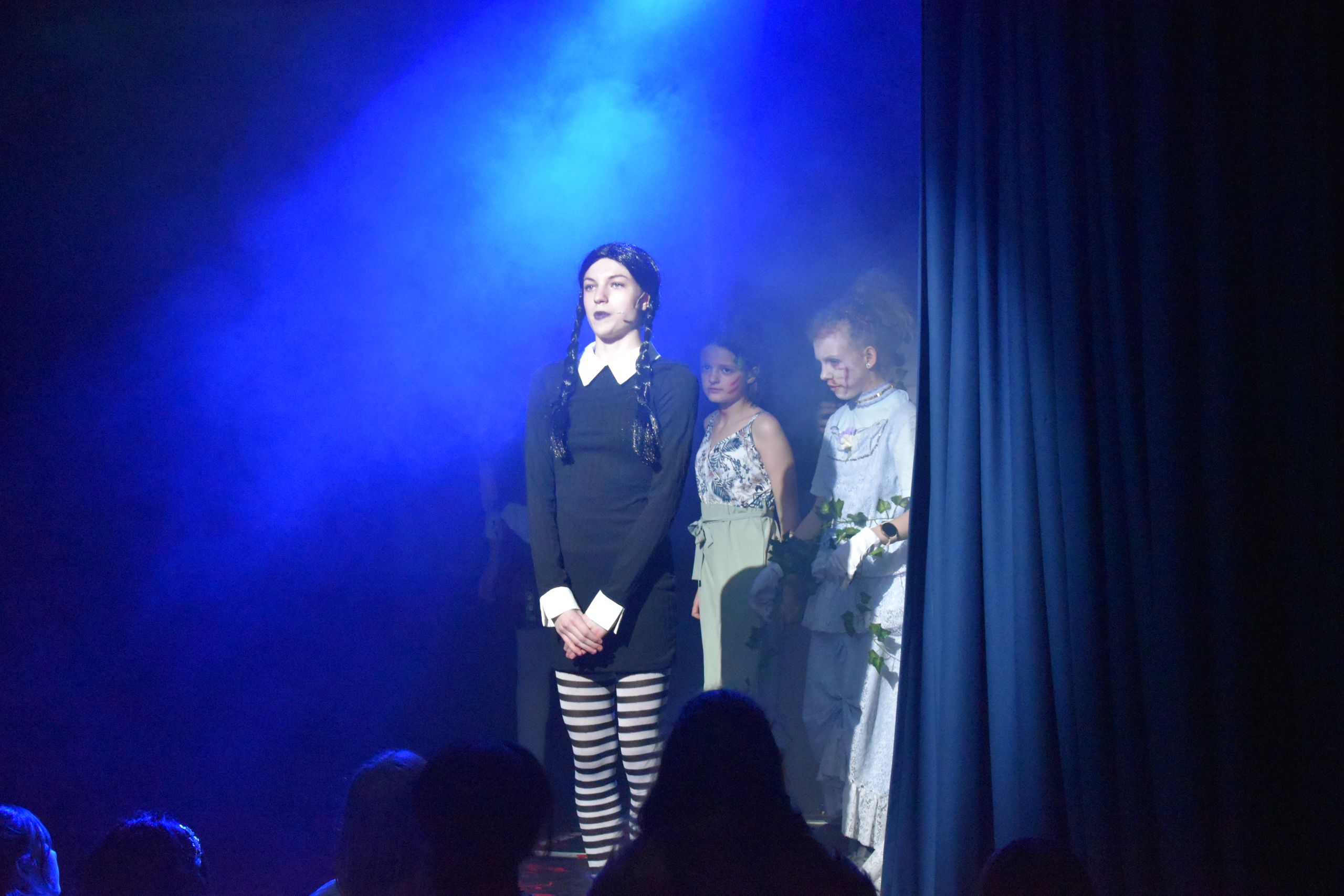
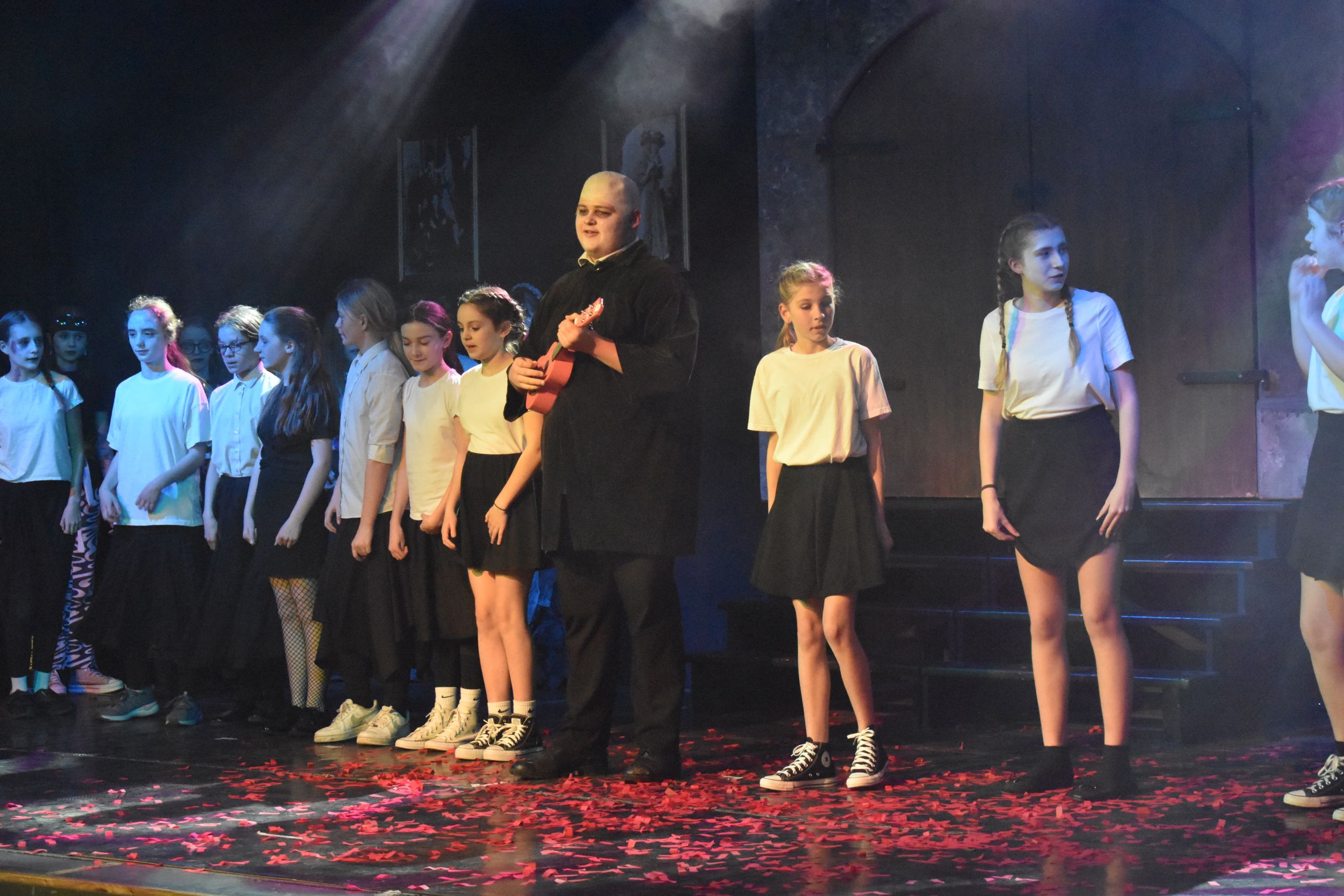
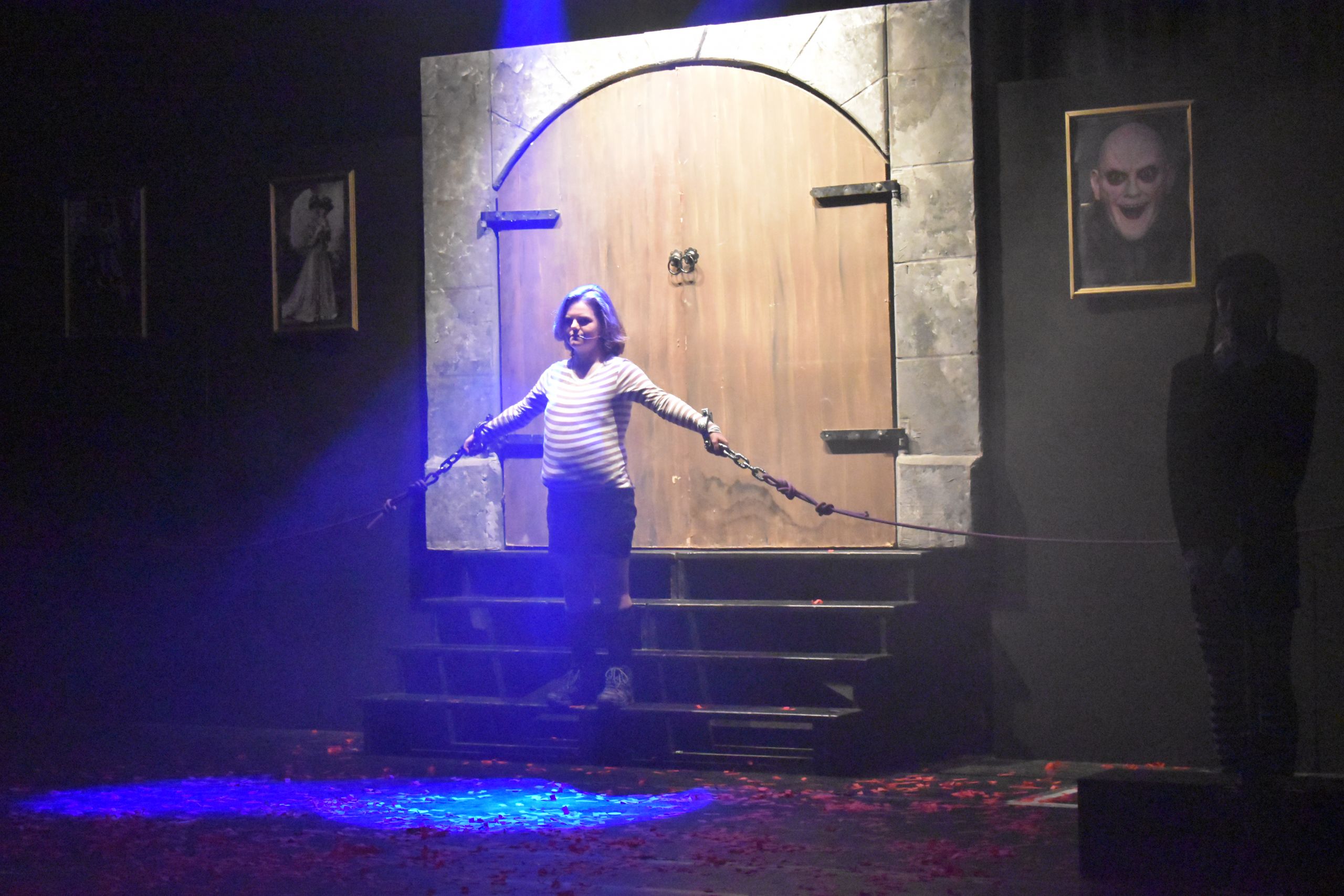
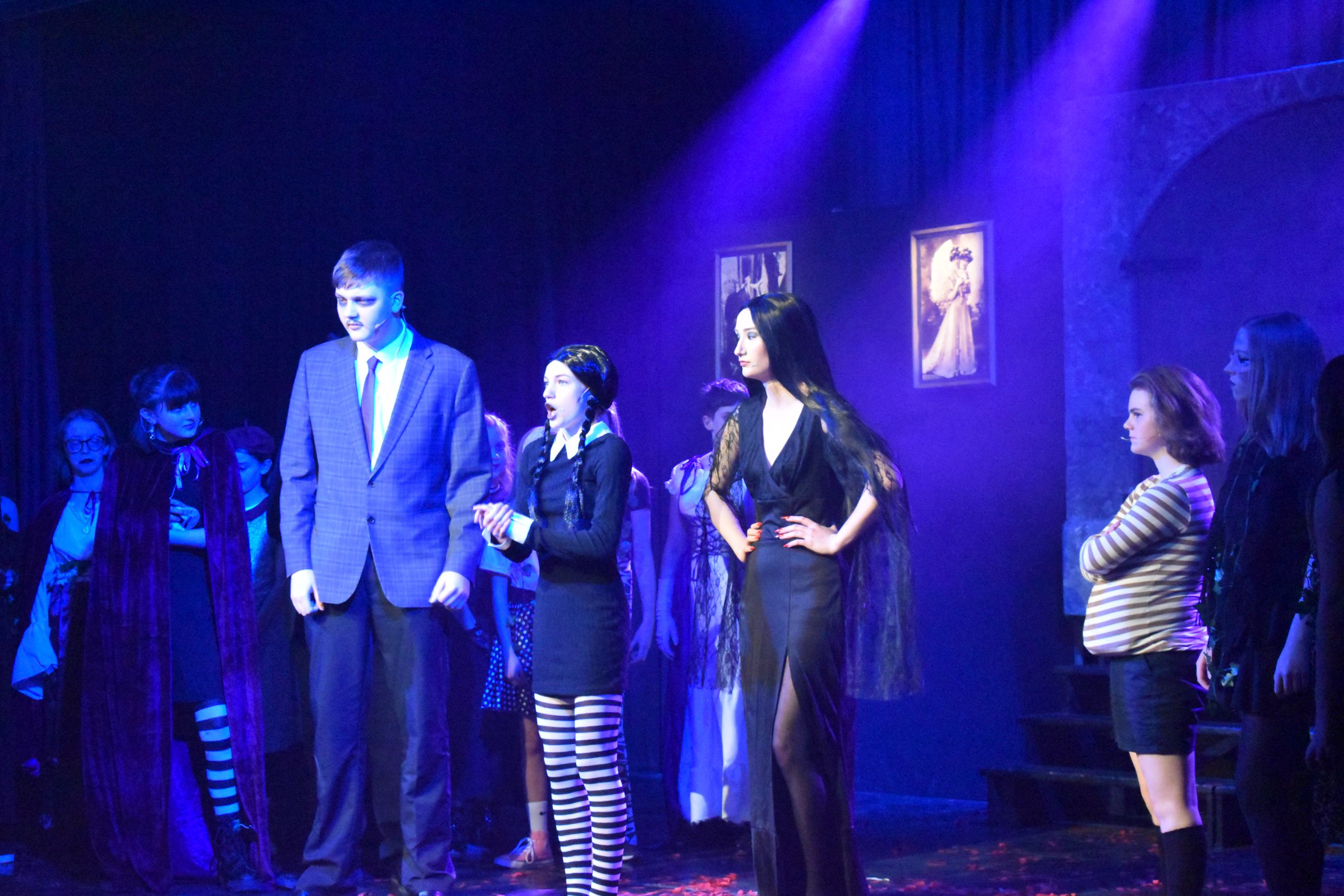
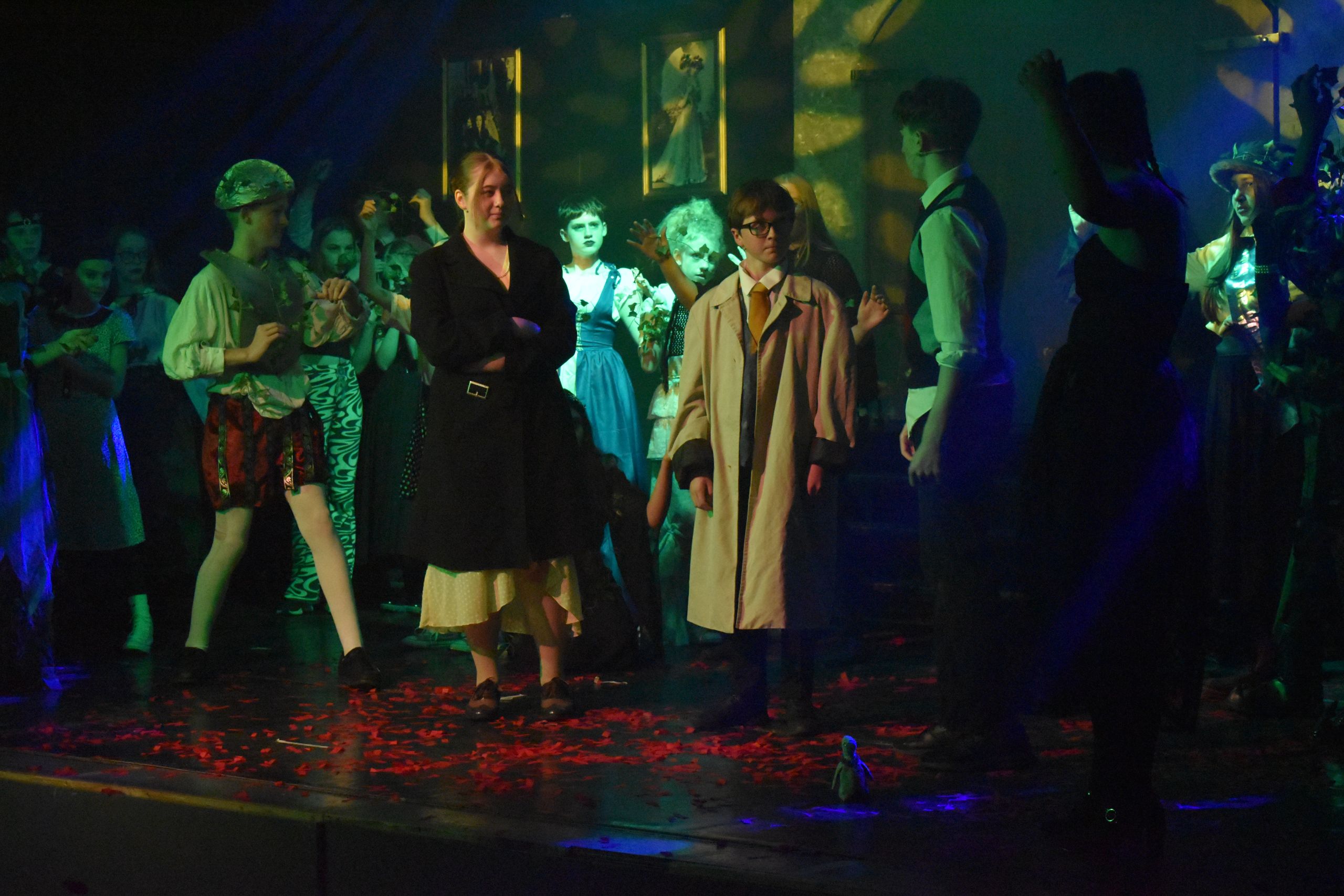
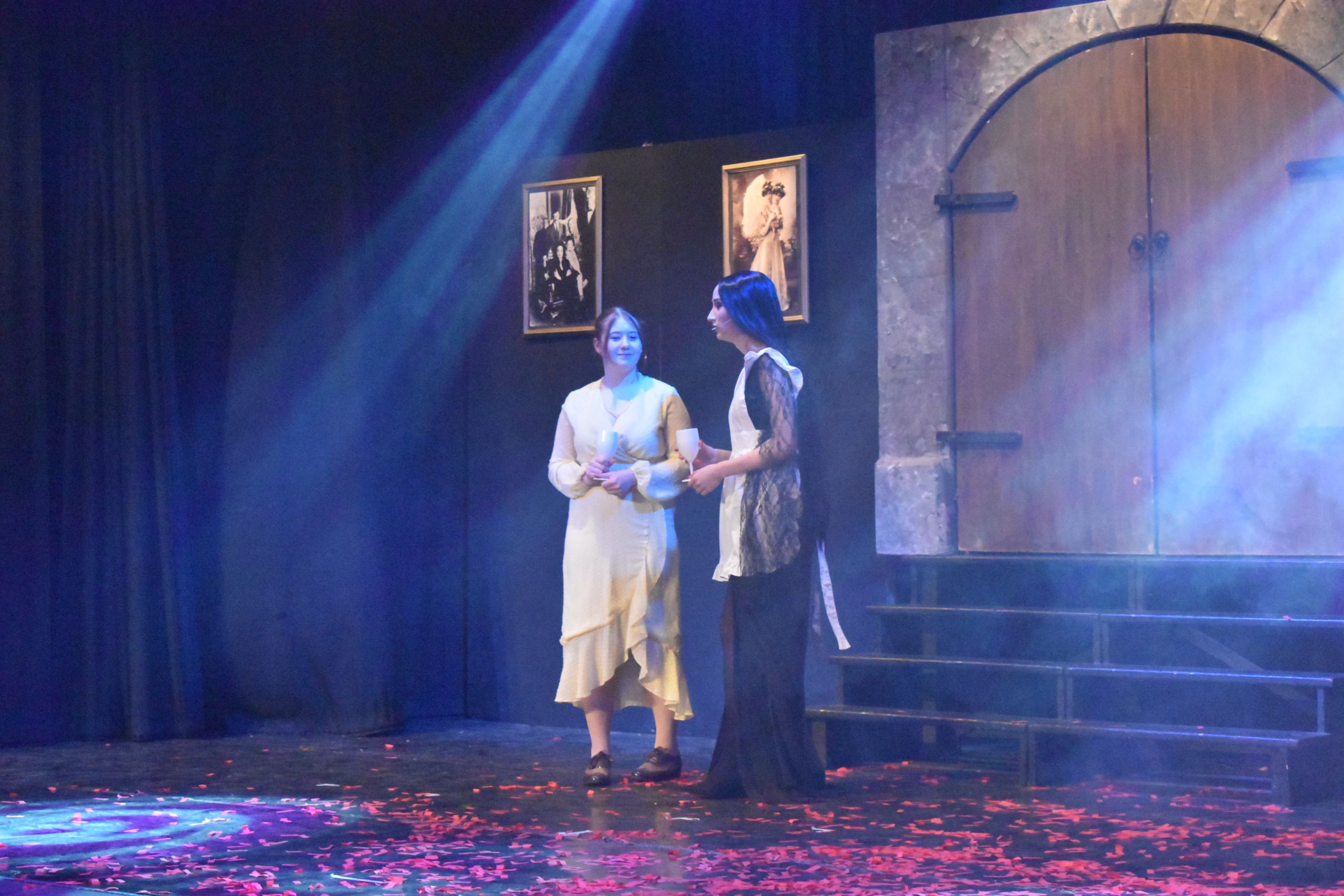
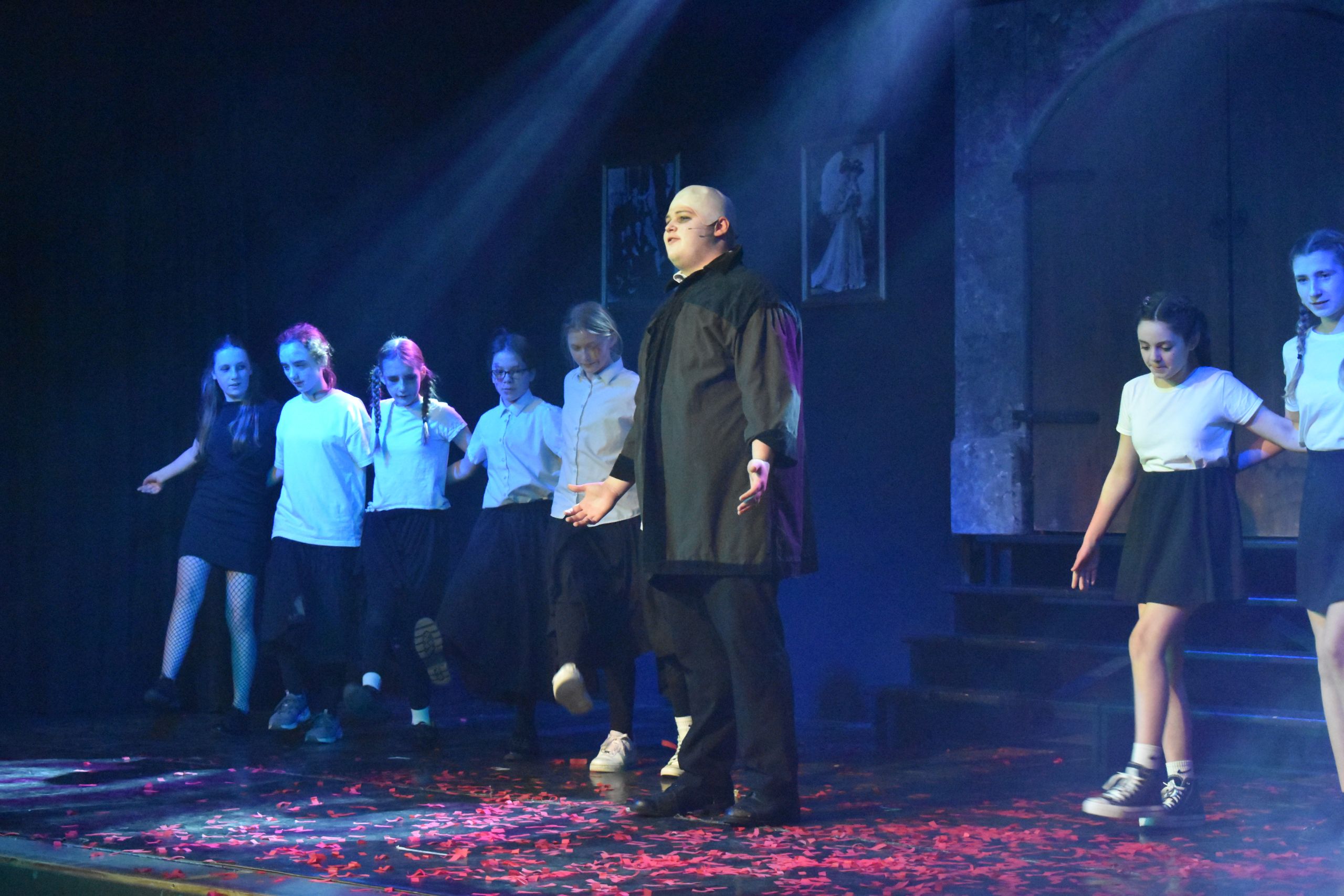
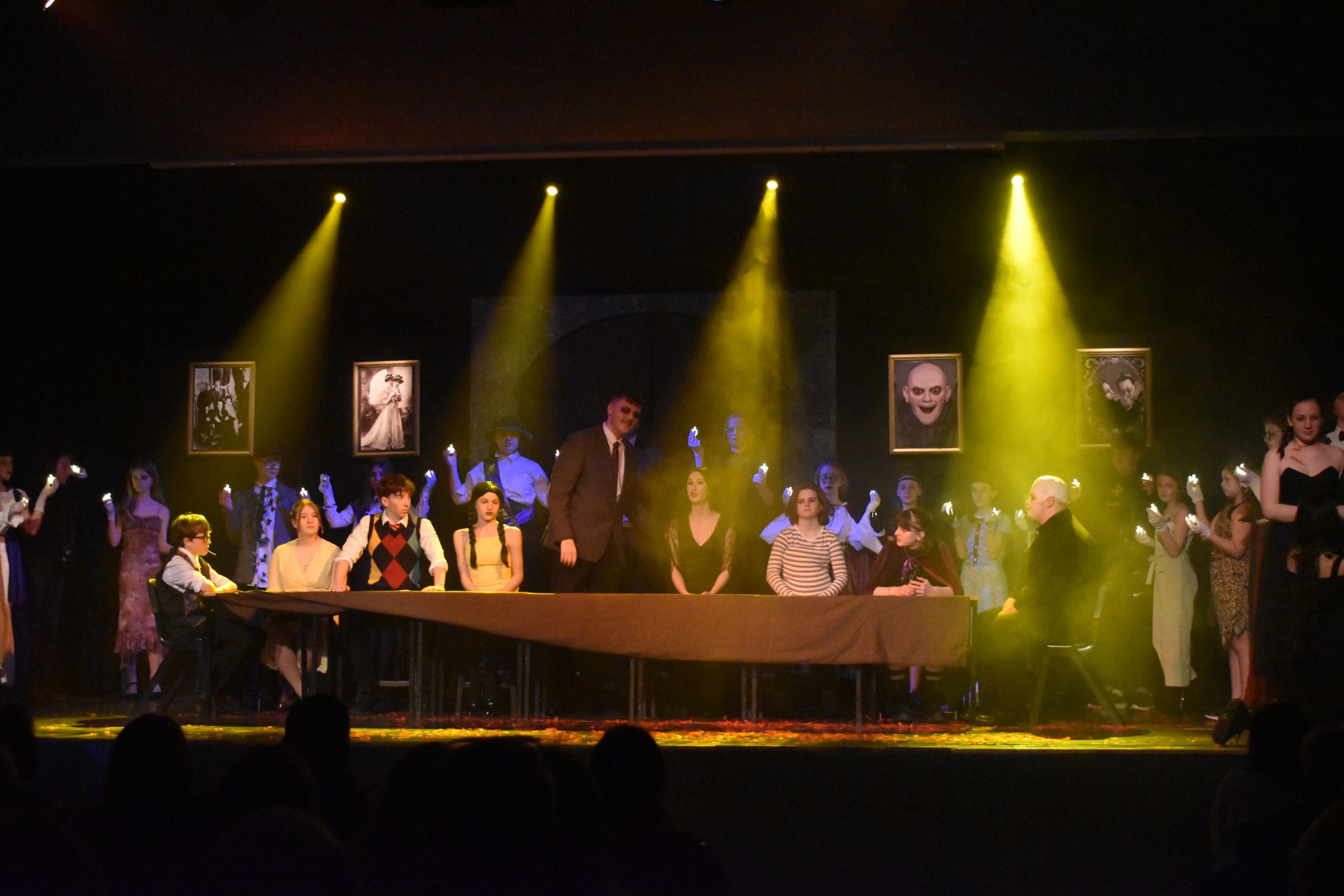
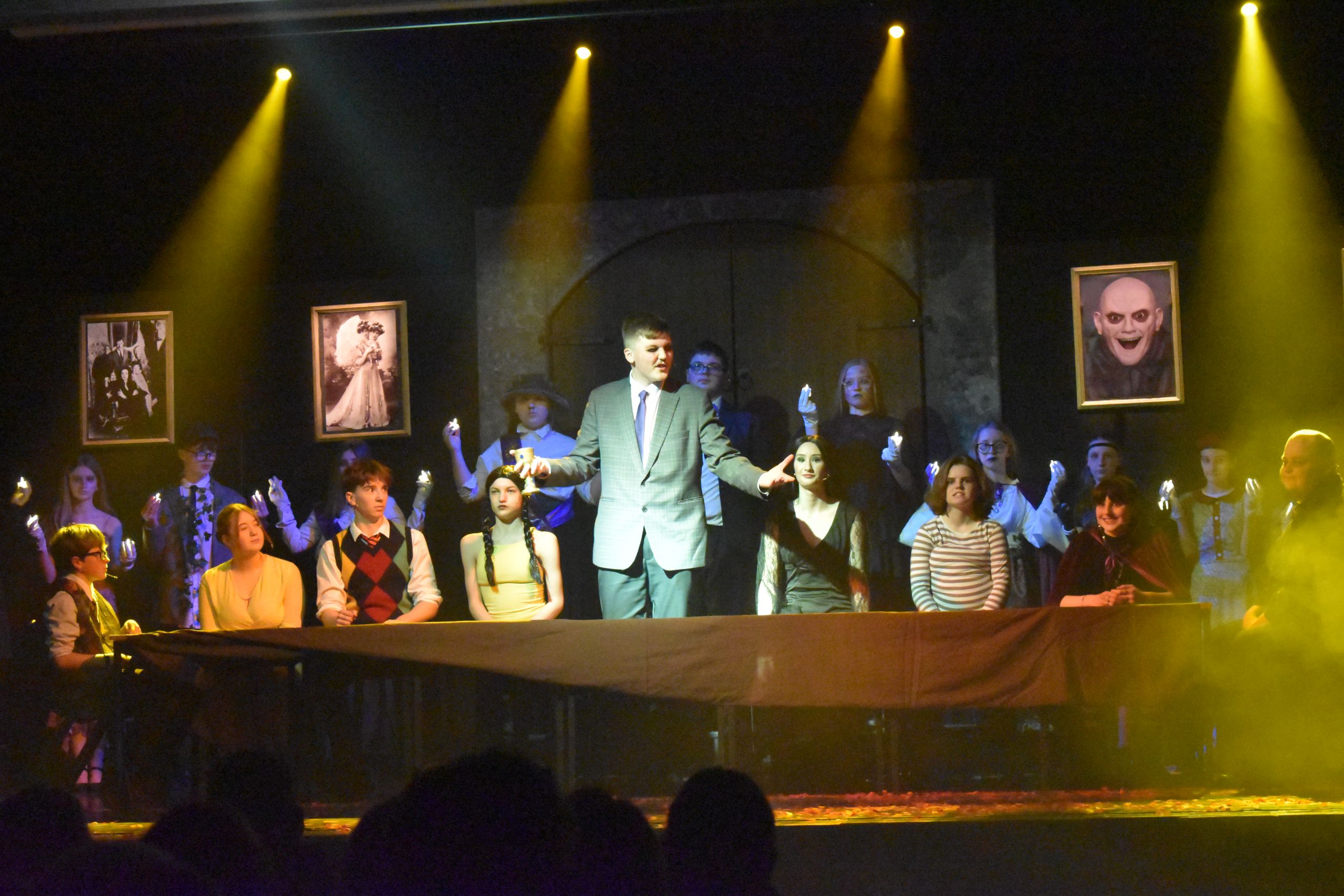
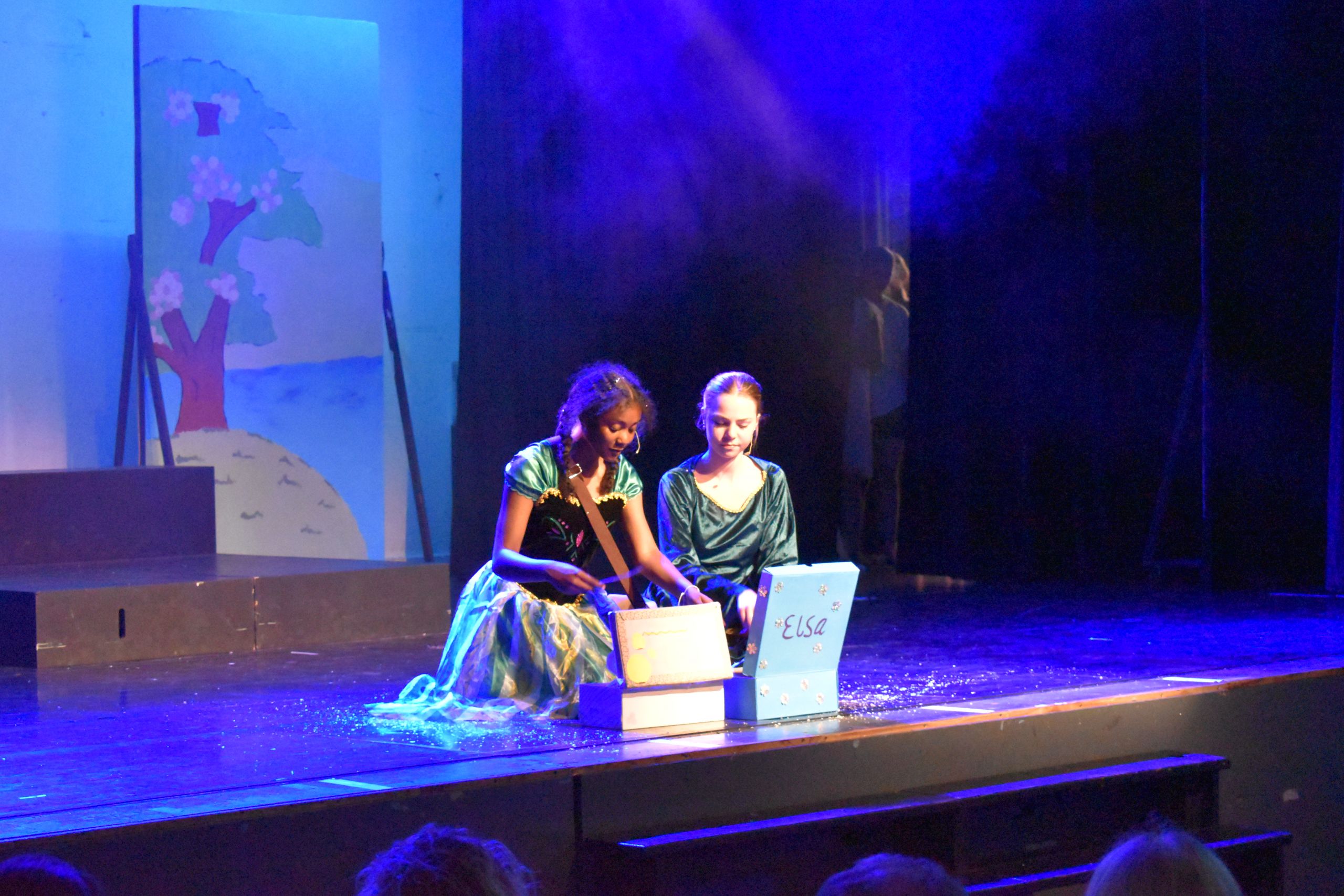

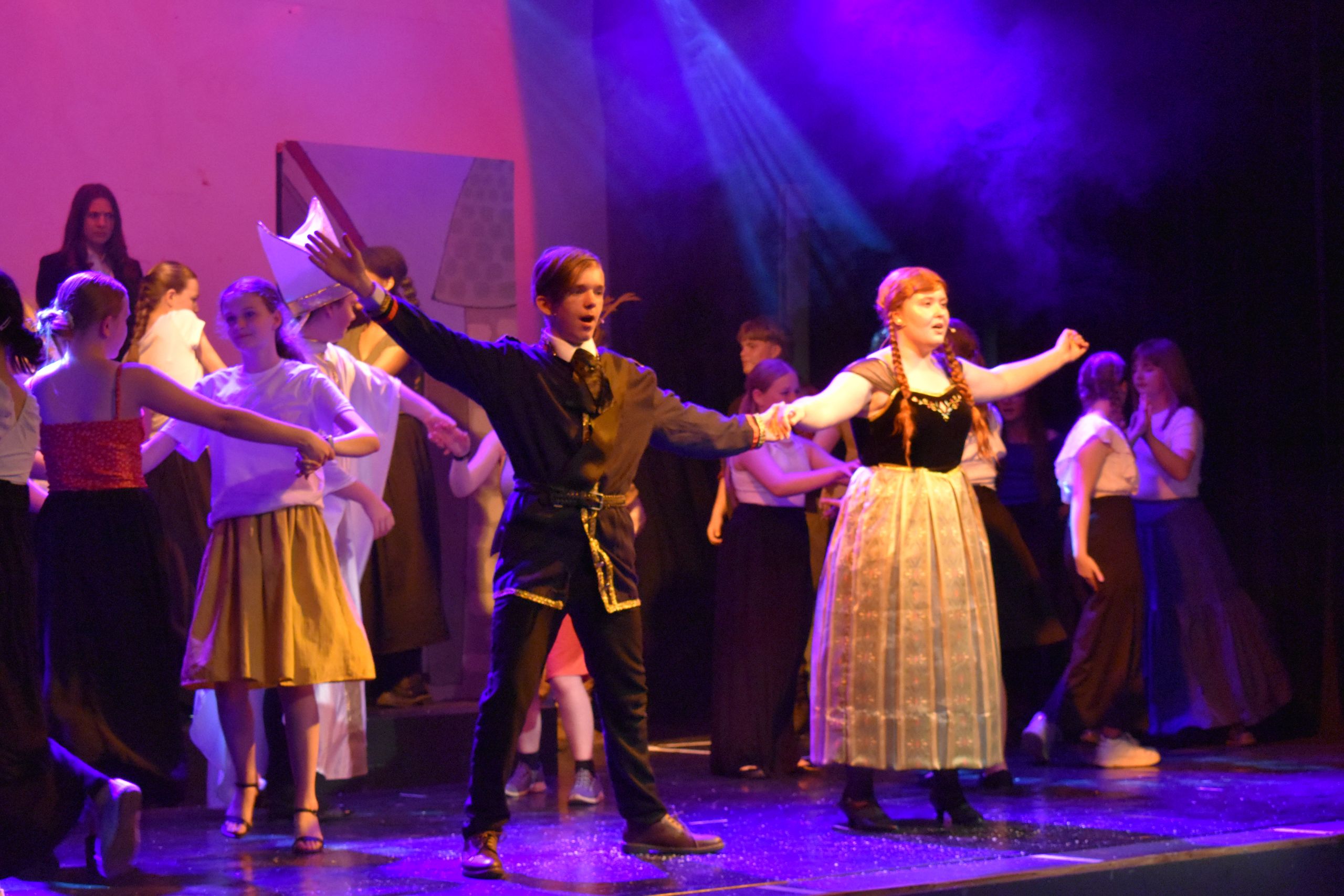

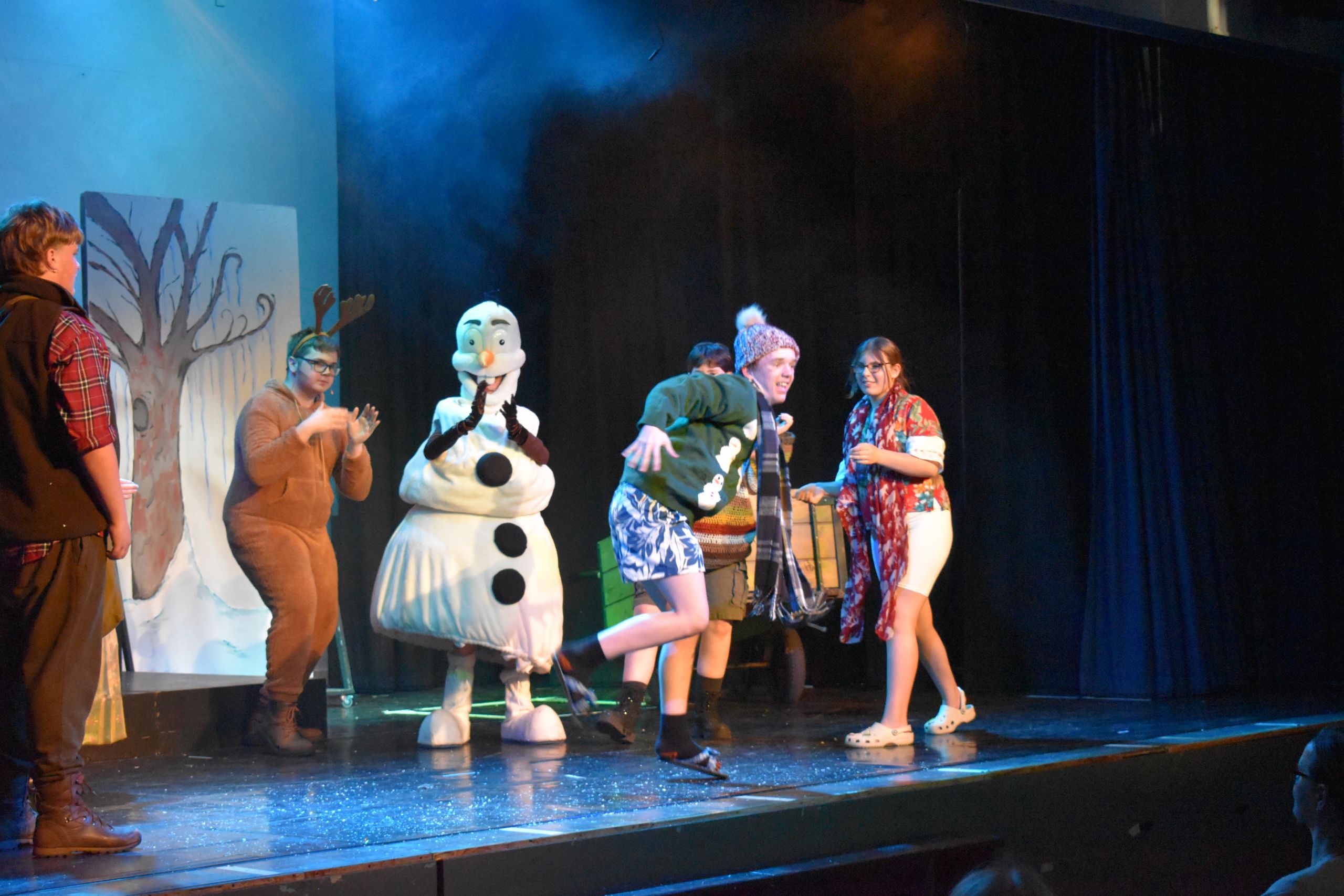
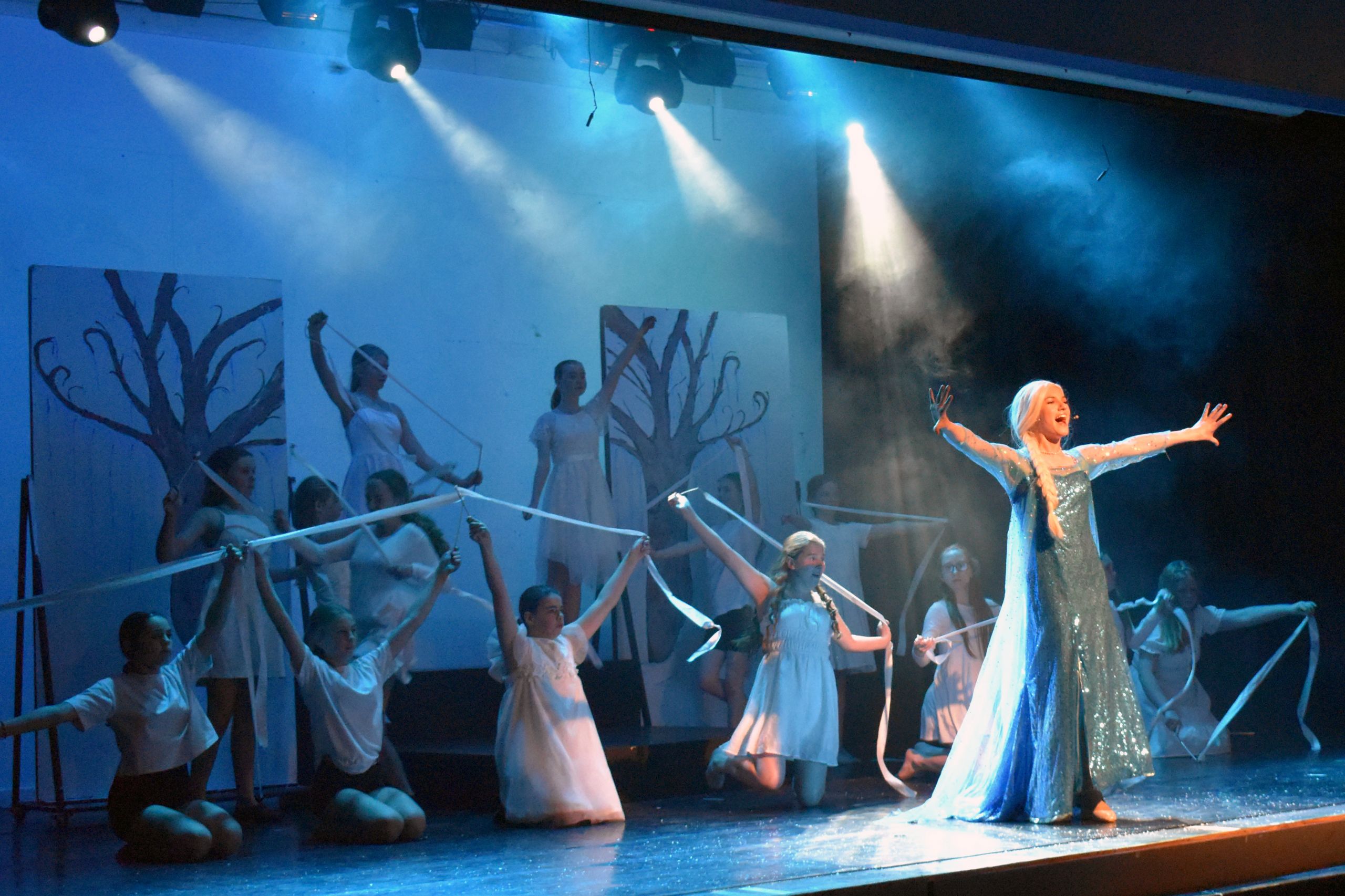
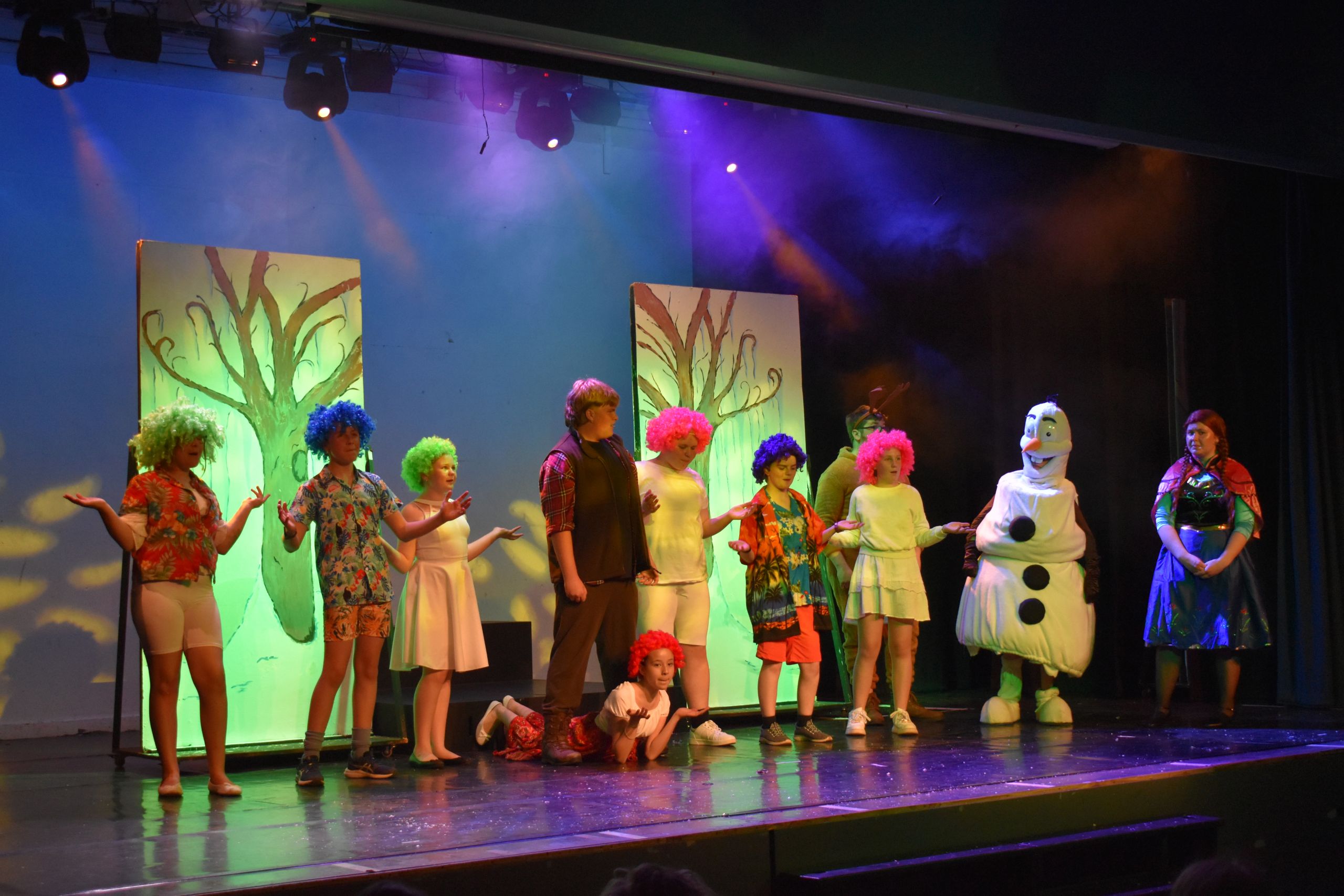


School Musical Images
Year 9
Students have the option to take drama in Year 9, doubling the amount of teaching time they get and benefiting from a more vocational and professional focus. In Year 9 students focus heavily on the skills needed to take a script from page to stage. The projects they explore include:
Studies focus on performance techniques including improvisation, creating physicalities, line learning, directing, textual analysis and devising. Self-evaluation is also developed, each performance is analysed and evaluated by students and staff.
The course includes a live public performance in the Autumn term. As this is a performing arts course, taking part in the Autumn performance is compulsory. Students should, therefore, think carefully before opting for this subject.
Key Stage 4
Students in Years 10 & 11 are working towards the AQA GCSE in Drama.
This qualification is made up of 3 components:
Year 10
Throughout the two years of the course, students will develop the knowledge and skills they need to succeed in their Component 1 written exam. The exam takes place in the summer series of GCSE examinations towards the end of Year 11.
Students will also complete Component 2 – Devising Drama in Year 10. This unit breaks down into two sections: Creating Devised Drama & Performing Devised Drama. In the creation period, students must learn how to create and develop ideas to communicate meaning in a devised theatrical performance. In the performance, Students must learn how to contribute to devised drama in a live theatre context for an audience. They must contribute as either a performer or designer (although the vast majority of our students will contribute as performers).
This component is internally assessed, meaning it is marked by the teacher and moderated by the exam board.
Year 11
Students will continue to develop the knowledge and skills needed for the Component 1 written exam.
Students will also complete Component 2 – Text in Practice. This unit teaches students how to take a script from page to stage using many of the skills professional actors rely on. Students must learn how to contribute to text-based drama in a live theatre context for an audience.
This component is assessed through a live performance in front of an assessor from the exam board.